How Long Do Lip Fillers Really Last? Factors That Affect Longevity
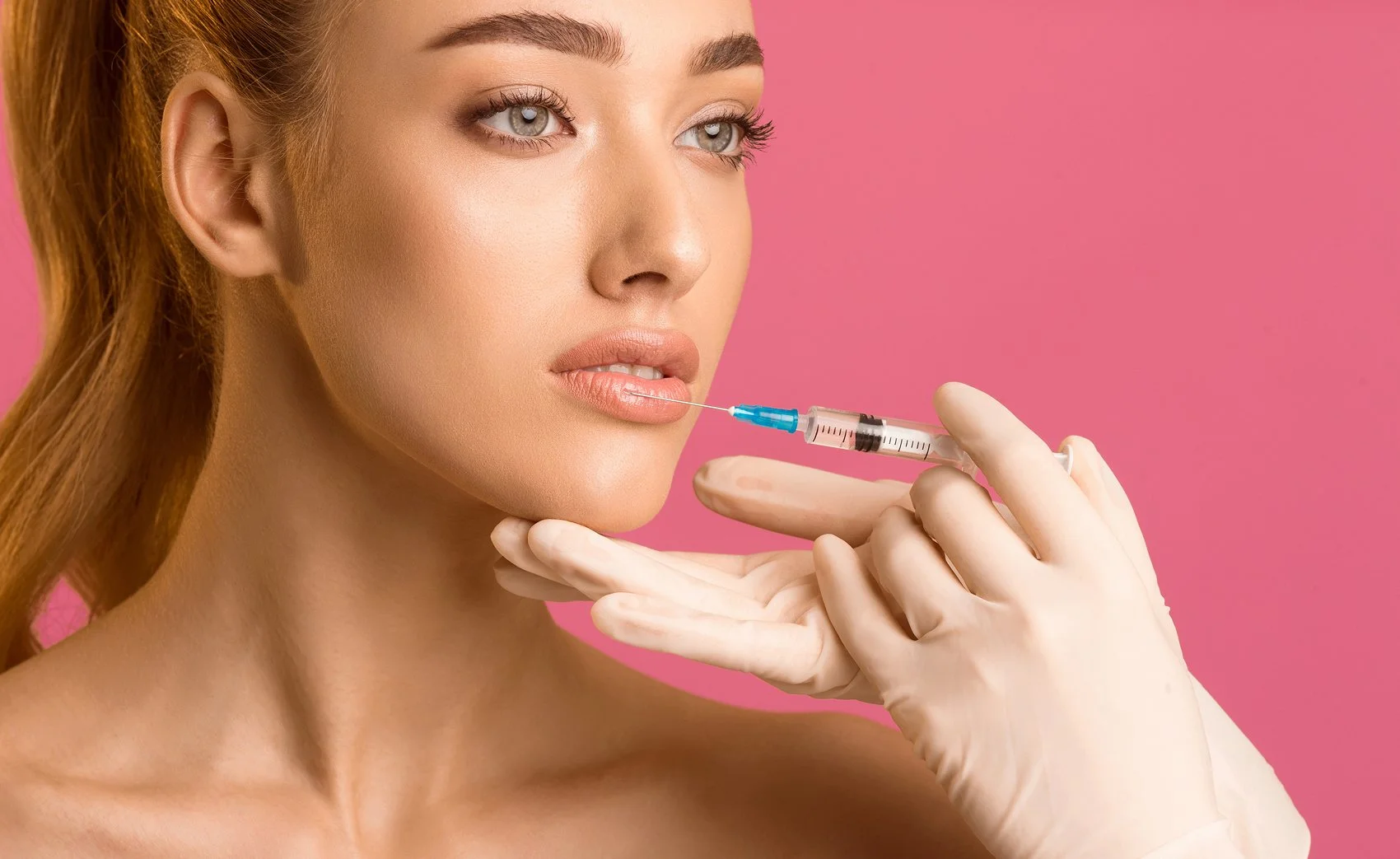
When people ask how long lip fillers last, they’re often really asking something deeper: will my lips still look like me over time? Longevity isn’t just about months on a calendar—it’s about how filler settles, moves, and slowly integrates with your natural tissue. Understanding what actually affects that timeline can help you set expectations that feel realistic, grounded, and aligned with a more natural approach to aesthetic care.
What Lip Fillers Are Made Of—and Why That Matters
Lip fillers are most commonly made from hyaluronic acid, a naturally occurring substance in the body that binds water and provides structure to the skin. What is rarely discussed is that not all hyaluronic acid behaves the same once injected. The way it’s cross-linked and formulated determines its flexibility, softness, and how it integrates with your natural lip tissue. Softer, more fluid fillers move easily with expressions but may break down faster, while firmer, more cohesive fillers maintain shape longer but can feel less natural in motion. Additionally, enzyme activity, blood flow, and tissue density in the lips influence how the filler settles and metabolizes, meaning the same product can last very differently from person to person.
The Lip Filler Breakdown Timeline: What Changes Over Time
Lip filler doesn’t disappear all at once—it changes quietly. In the first few weeks, swelling fades and the filler begins to bind with water, which often makes the lips look softer and more natural than they did initially. Over the following months, the body slowly breaks down the hyaluronic acid through normal metabolic processes. What’s rarely noticed is that volume loss usually happens unevenly. Some areas hold shape longer, while others soften first, creating subtle shifts rather than sudden deflation. This gradual change is why many people feel their lips “look different” before they look smaller. Understanding this timeline helps explain why touch-ups are often about refinement, not replacement.
Factors That Affect How Long Lip Fillers Last
Your metabolism plays a larger role than the filler itself. People with faster metabolisms tend to break down hyaluronic acid more quickly. This isn’t a flaw or failure of the product—it’s simply how efficiently the body processes substances it recognizes as familiar.
Lip movement accelerates filler breakdown. Lips are one of the most active areas of the face. Talking, eating, smiling, and even unconscious habits like lip pressing place constant mechanical stress on filler, causing it to soften and disperse faster than in more static areas.
First-time fillers usually fade sooner than repeat treatments When lips have never had filler before, the tissue hasn’t been “conditioned” to support added volume. Over time, repeat treatments often last longer because the skin structure becomes more accommodating.
Product formulation matters more than brand names. Softer, more flexible fillers are designed to move naturally with the lips, but they typically don’t last as long as firmer formulas. Longevity is often traded for softness and natural expression.
Injection depth and placement affect durability. Filler placed too superficially can break down faster due to increased circulation and enzyme activity. Strategic placement supports longevity without sacrificing movement.
Hydration levels influence how filler behaves. Hyaluronic acid attracts water. Chronically dehydrated lips may lose volume sooner because the filler cannot maintain optimal structure.
Exercise intensity can subtly shorten lifespan. High levels of cardiovascular activity increase circulation and metabolic turnover, which may accelerate filler breakdown over time.
Sun exposure contributes to gradual degradation. UV exposure increases inflammation and collagen breakdown, indirectly affecting how long filler maintains its structure.
Stress and sleep quality are often overlooked. Chronic stress elevates cortisol levels, which can impact tissue health and repair processes, influencing filler longevity.
Natural aging continues beneath the filler. Changes in bone support, fat distribution, and skin elasticity affect how long filler appears effective, even if some product remains.
Touch-up timing matters. Waiting until all filler is gone versus maintaining subtle support can lead to very different longevity experiences.
Expectations shape perception. Many people interpret normal softening as filler “wearing off,” when in reality, the lips are simply returning to a more natural movement pattern.
How Lifestyle Affects Lip Filler Results
Daily habits quietly influence how lip filler settles and fades. Consistent hydration helps hyaluronic acid maintain its shape, while chronic dehydration can make volume appear to disappear sooner. What’s often overlooked is repetitive facial behavior—frequent lip pressing, chewing gum, or clenching can place ongoing pressure on filler, encouraging faster softening. Heat exposure from saunas, hot yoga, or prolonged sun time may also speed metabolic activity in the tissue. Skincare matters too; lips lacking barrier support tend to lose moisture faster, affecting how filler looks over time. Even stress levels play a role, as prolonged inflammation can subtly interfere with how the lips hold structure and volume.
How Often Do Lip Fillers Need Maintenance?
Maintenance isn’t about chasing fullness—it’s about supporting structure as it changes. Most people don’t need to “redo” lip filler on a strict schedule. Instead, subtle maintenance often happens when the lips start to feel less supported rather than visibly smaller. What’s rarely discussed is that waiting until filler has completely metabolized can make each treatment feel like starting over. Gentle, spaced touch-ups tend to integrate more naturally and may last longer over time. For many, this means reassessing lips every six to twelve months, depending on metabolism and lifestyle. The goal is continuity, not constant volume, allowing the lips to age gradually rather than fluctuate dramatically.
Final Thoughts: Setting Realistic Expectations for Lip Filler Longevity
Lip filler longevity is shaped by far more than the product used—it’s influenced by movement, metabolism, lifestyle, and how the filler is supported over time. When expectations are grounded in how the body actually works, results tend to feel more natural and satisfying. Understanding these factors allows you to make thoughtful decisions about timing, maintenance, and overall aesthetic goals. If you’re curious about what lip filler longevity could look like for you, we invite you to visit Aloha Aesthetics or call 737-352-4009 to schedule an appointment and explore a personalized, natural approach to treatment.