Does Microneedling Hurt? What It Really Feels Like
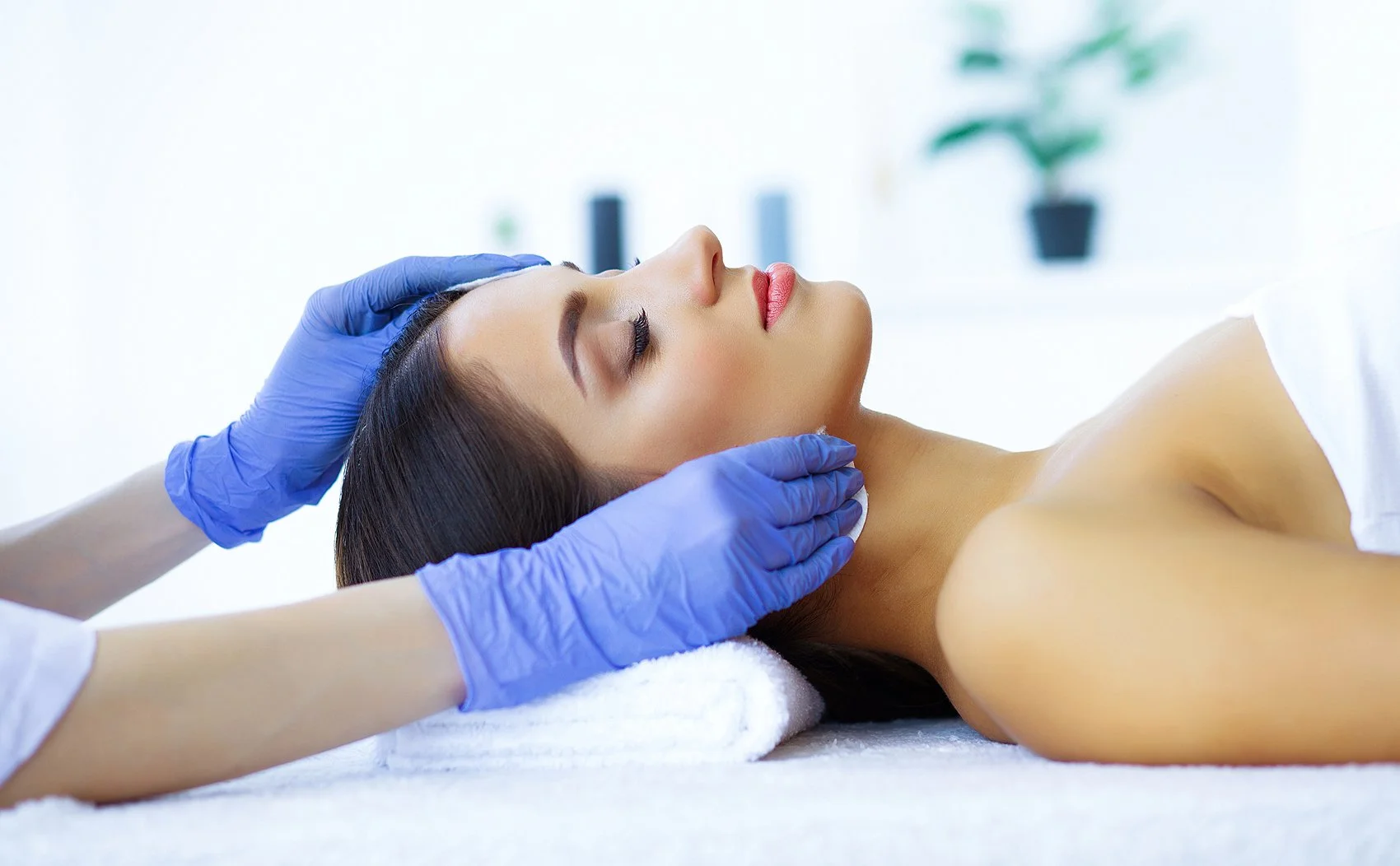
Most conversations about microneedling focus on results—smoother skin, refined pores, collagen stimulation—while quietly skipping over the part people are most curious about: what it actually feels like. The truth is, microneedling doesn’t fit neatly into “painful” or “painless.” It’s a sensory experience shaped by biology, technique, and expectation—and understanding that nuance often matters more than the needle itself.
What Microneedling Actually Does to the Skin
Microneedling works by creating thousands of controlled micro-channels in the skin, but what’s rarely discussed is how selectively the skin responds to them. These micro-injuries don’t trigger panic in the body—they trigger organization. Skin cells interpret the tiny disruptions as a signal to rebuild smarter, not just faster. Blood flow increases, growth factors are released, and collagen production ramps up in a focused, localized way. What you feel during treatment isn’t damage—it’s communication between the device and your nervous system. The sensation varies because nerve endings, skin thickness, and hydration levels differ across the face, which explains why some areas feel more intense than others during the same session.
Does Microneedling Hurt? The Short, Honest Answer
Microneedling usually isn’t painful in the way people expect, but it is noticeable. Most of the sensation comes from pressure and vibration rather than sharp pain. What often gets overlooked is how much anticipation influences the experience—when the body is tense, sensations register as stronger. For many people, microneedling feels more like an intense skin stimulation than discomfort. Areas with thinner skin or more nerve endings tend to feel sharper, while fuller areas feel dull and mechanical. The experience also changes as the session goes on, with the skin often adapting after the first few passes. Pain is rarely the limiting factor; unfamiliarity usually is.
What Does Microneedling Feel Like During Treatment?
During treatment, microneedling tends to feel rhythmic rather than sharp. Many people are surprised by how predictable the sensation is—more like a steady tapping or buzzing than random pokes. What’s rarely mentioned is how sound and movement affect perception. Hearing the device and feeling it glide across the skin can make the sensation feel stronger at first, even when pressure stays consistent. As the skin warms and blood flow increases, sensation often softens instead of intensifying. Some areas register as scratchy, others as dull pressure, depending on nerve density. The feeling is dynamic, not static, and changes minute by minute as the skin responds.
Microneedling Discomfort Tips Before Your Appointment
Pay attention to your nervous system, not just your skin. Discomfort is amplified when the body is already stressed. Poor sleep, rushing to an appointment, or mental tension can make sensations feel sharper. Giving yourself time to arrive calm and unhurried can noticeably change how microneedling feels.
Hydration affects sensation more than most people realize. Well-hydrated skin is more elastic and tends to respond more evenly to microneedling. Dehydrated skin can feel tighter and more reactive, which increases sensitivity during treatment.
Avoid stimulants the day of treatment when possible. Caffeine, pre-workout supplements, and certain energy drinks can heighten nerve responsiveness. This doesn’t make microneedling unsafe, but it can make sensations feel louder and harder to ignore.
Limit alcohol the night before. Alcohol increases inflammation and dilates blood vessels, which can intensify heat and sensitivity during treatment. Even moderate intake can subtly change how the skin reacts the next day.
Skip exfoliants and strong skincare beforehand. Acids, retinoids, and aggressive exfoliation can thin the skin’s surface barrier temporarily. When that barrier is already compromised, microneedling tends to feel sharper and less comfortable.
Eat a balanced meal a few hours before your appointment. Low blood sugar can make the body more reactive to sensation. Feeling lightheaded or hungry can exaggerate discomfort, even if the treatment itself hasn’t changed.
Be mindful of your menstrual cycle if applicable. Hormonal shifts can affect pain perception and skin sensitivity. Many people notice treatments feel more intense right before or during menstruation.
Communicate previous sensitivities honestly. People who bruise easily, have heightened nerve sensitivity, or experience anxiety around procedures often benefit from adjustments in technique or pacing.
Understand that anticipation often hurts more than the needles. The body tends to brace against what it doesn’t understand. Knowing what to expect allows the nervous system to stay more relaxed, which can significantly soften the experience.
Avoid scheduling immediately after intense workouts or heat exposure. Elevated body temperature and increased circulation can heighten sensitivity during treatment.
Set realistic expectations for sensation, not perfection. Expecting microneedling to feel like nothing at all can create disappointment. Expecting manageable sensation makes the experience easier to tolerate.
What Does Microneedling Feel Like After Treatment?
After microneedling, most people notice a warmth and tightness across treated areas, often described as a mild sunburn sensation. What’s rarely discussed is how your skin continues to “communicate” with your nervous system in the hours afterward—tiny tingles, prickling, or subtle pulsations are common as blood flow and healing responses remain active. Some areas may feel slightly more sensitive to touch, while others feel almost numb, depending on needle depth and skin thickness. Redness usually peaks within a few hours, then gradually softens. The post-treatment sensation is dynamic, not static, and your skin often feels firmer and more alert as it begins the repair process.
Microneedling vs. RF Microneedling: Is One More Painful?
Traditional microneedling and RF (radiofrequency) microneedling both create micro-channels in the skin, but RF adds a layer of heat and energy delivery that can change the sensation. What’s often overlooked is that RF doesn’t necessarily feel sharper—it feels different: a combination of pricking and gentle warmth that some describe as a deep tingling. Pain perception varies by skin thickness, treatment depth, and individual sensitivity, making RF feel more intense in areas with dense nerve endings. However, many people find the heat provides a sense of localized pressure rather than pain. Anticipation, skin hydration, and numbing can all influence how either treatment is experienced, often more than the device itself.
Conclusion
Microneedling is less about pain and more about sensation—an experience your skin interprets as a signal to rebuild, refresh, and strengthen itself. Understanding what it truly feels like, both during and after treatment, can make the process feel far less intimidating and help you approach it with confidence. Each session is unique, influenced by skin type, area treated, and personal sensitivity, but discomfort is typically manageable and short-lived. If you’re curious about experiencing microneedling for yourself and want guidance tailored to your skin, call us at 737-352-4009 or visit Aloha Aesthetics to schedule your appointment today.