What Not to Do Before Your Filler or Botox Appointment
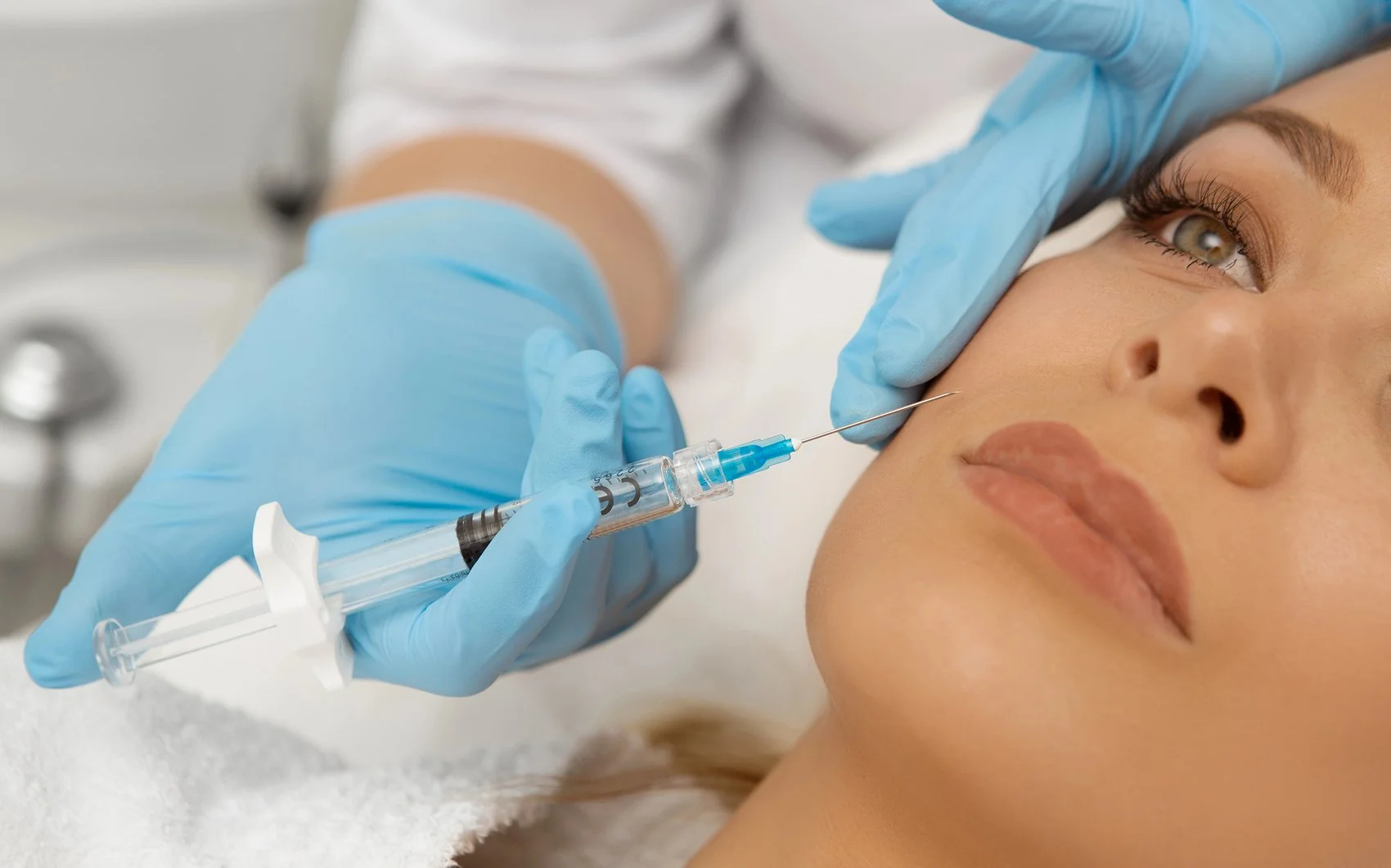
Preparing for a Botox or filler appointment involves more than scheduling a time—it requires intentional choices in the days leading up to treatment. While many guides focus on basic instructions, few discuss how lifestyle, medications, and skincare habits subtly impact bruising, swelling, and overall results. Understanding what not to do before your appointment can enhance the precision of injections, support faster recovery, and ensure natural, balanced outcomes, making preparation a critical part of achieving optimal aesthetic results.
Understanding Botox and Dermal Fillers
Botox and dermal fillers are often grouped together, but they work in fundamentally different ways. Botox temporarily relaxes targeted muscles to smooth dynamic wrinkles caused by repeated facial movements, subtly retraining muscle activity over time. Dermal fillers, on the other hand, restore volume, lift sagging areas, and soften static lines by physically adding substance beneath the skin. What’s rarely highlighted is how pre-treatment habits—like certain medications, supplements, or even vigorous exercise—can influence how these products settle and interact with tissue. Understanding the mechanisms of each injectable emphasizes why proper preparation matters, helping patients achieve precise, natural-looking results while minimizing bruising, swelling, or uneven outcomes.
Lifestyle and Medication Factors to Avoid
Proper preparation before a Botox or filler appointment goes beyond avoiding obvious triggers; subtle lifestyle and medication choices can significantly impact results. Here are key factors often overlooked:
Alcohol Consumption
Drinking alcohol 24–48 hours before treatment can thin the blood and increase the risk of bruising or swelling. Even small amounts may affect delicate capillaries around the eyes and lips.Blood-Thinning Medications and Supplements
Aspirin, ibuprofen, fish oil, vitamin E, and certain herbal supplements can increase bleeding and bruising. Discuss all medications and supplements with your provider to adjust timing safely.Strenuous Exercise or Heat Exposure
High-intensity workouts, saunas, or hot yoga immediately before injections can dilate blood vessels, raising the risk of swelling or uneven product placement.Anti-Aging or Exfoliating Skincare
Aggressive retinoids, chemical peels, or microdermabrasion too close to treatment can make skin more sensitive and prone to irritation.Unmanaged Stress and Sleep Deprivation
While often overlooked, stress and lack of sleep can affect healing, inflammation, and even how the skin responds to injectables.
By addressing these factors ahead of time, patients can reduce complications and ensure smoother, more predictable results.
Pre-Appointment Skincare and Habits
Preparing your skin before a filler or Botox appointment is just as important as avoiding certain medications or activities. In the days leading up to your treatment, focus on minimizing inflammation and supporting your skin barrier. Gentle cleansing, consistent hydration, and avoiding any new or aggressive skincare products help reduce the risk of irritation during injections. Many patients don’t realize that even subtle skin disruptions—like over-exfoliation or using a new active ingredient—can increase sensitivity and redness. It’s also helpful to stay well-hydrated and maintain stable routines, as sudden changes in diet, sleep, or stress can influence how the skin responds. Thoughtful preparation ensures your skin is calm, balanced, and ready for treatment.
Common Mistakes Patients Make Before Injectables
Arriving dehydrated
Many patients underestimate how much hydration influences tissue quality. Well-hydrated skin is more resilient, making injections smoother and reducing post-treatment dryness or tightness.Over-correcting their skincare routine
Some people add extra exfoliation, retinoids, or masks right before their appointment, thinking it will “prep” the skin. In reality, sensitized or irritated skin is more likely to bruise and feel tender after injections.Skipping meals or caffeine-loading
Coming in on an empty stomach or drinking excessive caffeine can increase jitteriness, heighten discomfort, and make vasovagal reactions more likely.Doing an intense workout right before the appointment
Elevated body temperature and increased blood flow make bruising more common and can affect how the product settles.Using ice, numbing creams, or spot treatments without guidance
Patients often try to “prep” on their own, but incorrect use can constrict vessels, irritate the skin, or interfere with precision during the appointment.Not disclosing recent minor procedures or infections
Even small things—like a recent dental cleaning, a cold sore flare, or a new skincare prescription—can influence timing and safety, yet are often forgotten during intake.
Recovery Optimization Starts Before the Appointment
A smooth recovery doesn’t begin after injections—it starts with the choices you make in the days leading up to your appointment. When your skin is calm, hydrated, and free of unnecessary stressors, it responds more predictably to treatment. Even small actions, like maintaining steady sleep patterns and avoiding last-minute skincare experiments, help stabilize the skin’s natural repair rhythms. Supporting your lymphatic system through gentle hydration and balanced nutrition also reduces the risk of swelling. By arriving with skin that’s rested, neutral, and nourished, you’re essentially giving your provider a better canvas to work with—which often translates to faster healing, less inflammation, and more seamless results.
Why Mindfulness Matters Before Injectables
One often overlooked part of preparing for Botox or filler is your internal state—specifically stress, sleep, and nervous system regulation. Elevated cortisol can make your skin more sensitive, your blood vessels more reactive, and your overall tolerance to injections noticeably lower. Many patients don’t realize that coming into an appointment after a night of poor sleep or a stressful workday can increase the likelihood of post-treatment swelling or redness. Even subtle tension in the facial muscles can affect how easily your provider can map and treat specific areas. Taking a few minutes before your appointment to breathe deeply, hydrate, and slow down your mind can support a more comfortable experience. When your body is grounded, your skin responds better, and the results often look even more natural.
Conclusion
Preparing for Botox or filler goes far beyond avoiding a few obvious habits—it’s about understanding how your daily choices influence the way your skin and tissues respond to treatment. When you minimize inflammation, support circulation, and keep your skin in a calm, balanced state, you set the stage for smoother injections and more refined results. Thoughtful preparation empowers your provider to work with precision and helps you recover with fewer surprises.
To learn more or get personalized guidance, visit us or call 737-352-4009 to schedule an appointment.